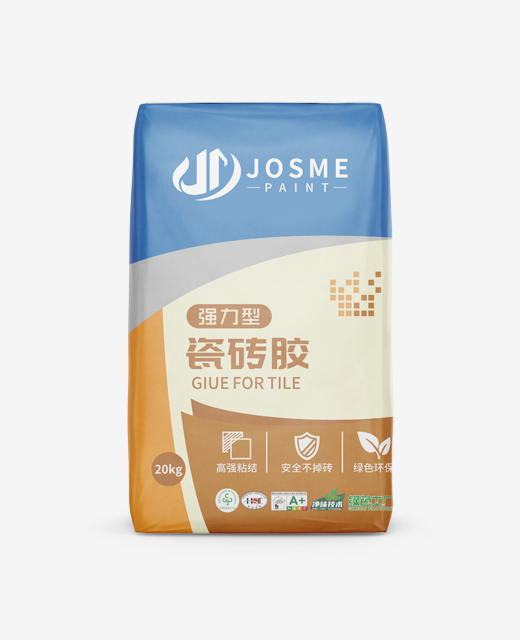
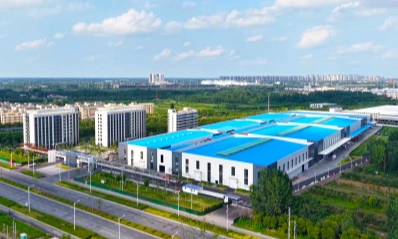
Tile Adhesive — Polymer-Modified, C2-Class Bonding Mortar
JOSME produces a factory-blended powder bonding mortar – Tile Adhesive. The product is produced using Portland cement, graded silica sand and functional polymer additives such cellulose ethers and redispersible polymer powder to make the installation of thin-set tiles easier. After curing, it has good water and alkali resistance, stable vertical anti-slip performance and tensile bond strength up to C2 class standard (≥1.0 MPa) as per ISO 13007.
Ideal for universal laying of tiles construction in basements, swimming pools, external facades, interior walls and on various brick substrates. It comes in conventional 20 kilogram bags
What Problem Does This Product Solve?
In real construction, there are several unstable elements with on-site mixed cement-sand mortar. Tile hollowing is readily caused by mortar shrinkage, and building progress is slowed down by hand mixing. Additionally, it is unable to create a strong connection with low-porosity materials like polished porcelain tiles.
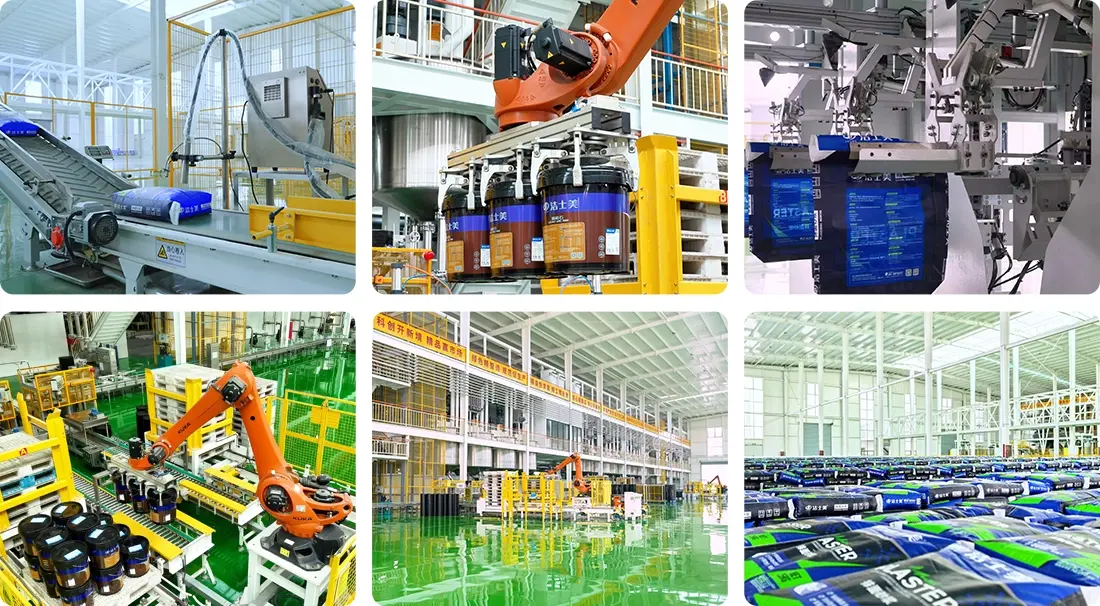
Tile Adhesive is designed to optimise mortar hydration and water retention performance by the professional polymer ingredients to provide chemical and mechanical bonding structures between tiles and substrates. To eliminate performance fluctuations caused by inconsistent onsite mixing ratios of sand, cement and water, all commodities are treated in factory-standardized workshops where the ratios are always the same.
Key Technical Advantages
C2-Class Bond Strength >=1.0 MPa after 1st cure, heat ageing, water immersion and freeze/thaw cycles according to ISO 13007-2. C1 minimum times 2.
Vertical Anti-Sag Cellulose ethers stabilise water retention and rheology, controlling displacement within 0.5 mm (Tclass).
Open Time: 20-30 minutes (E-class) for adjustment of tile position, no effect on bonding.
Water & Alkali Resistant: Stable cured structure during long term immersion. Suitable for pools, basements and wet areas.
Thin-Layer Economical: Requires less material than thick-layer mortar, each bag covers a wider area.
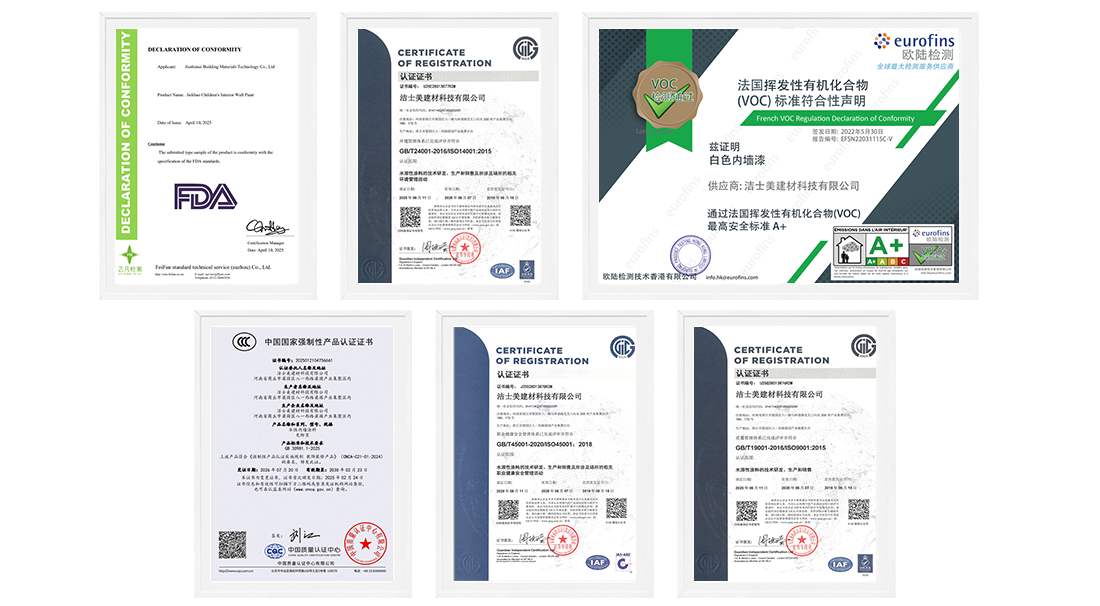
Low VOC & Odourless Solvent free, China Environmental Labelling certified, low emissions laws.
Tile Adhesive Specifications
| Parameter |
Detail |
| Product Type |
Cementitious powder tile adhesive |
| Cementitious Material |
Portland cement |
| Aggregate |
Graded silica sand |
| Functional Additives |
RDP (Redispersible Polymer Powder), Cellulose Ethers |
| Performance Class |
C2 — ≥1.0 MPa tensile bond strength |
| Open Time |
20–30 minutes (E-class) |
| Slip Resistance |
≤0.5 mm vertical displacement (T-class) |
| Water & Alkali Resistance |
Stable after full immersion |
| Packaging |
20 kg / bag |
| Storage Temperature |
5°C to 35°C |
| Storage Conditions |
Cool, dry place |
Application Scenarios
This solution works with a variety of substrates and tile kinds for both residential and commercial building applications.
wall installation of marble, natural stone, porcelain, ceramic, mosaic tiles inside and outdoors; Large scale porcelain slabs and quarry tiles. Damp and watery situations such as wet rooms, basements and swimming pools; Base substrates of concrete, brick and masonry Exterior walls of tall buildings that are susceptible to UV exposure, wind load and thermal expansion Heated floor systems where the polymer framework buffers the shear stress caused by temperature variations, thus decreasing the likelihood of tile peeling and cracking.

Quality Control
Reliable batch consistency is provided by systematic testing of all Tile Adhesive batches to ISO 13007-2:
- Tensile pull-off testing after water immersion, freeze-thaw cycling, and heat ageing
- Tests for transverse deformation to validate the categorisation of flexibility
- To prevent premature mortar drying, detect water retention.
- Monitoring pot life and consistency for steady operation
- Verification of the polymer-cement composite structure using XRD and SEM microstructure analysis
For traceable detection of bonding performance and particle size dispersion across all orders, batch samples are kept.
Delivery & Packaging
Export grade reinforced packaging 20 kg is resistant to mechanical damage, moisture and leakage during sea transit.
Delivery: Standard stock 2-3 working days. Bespoke or private label 7-15 working days. We provide full bespoke documentation to assist you with your air, ocean and overland transportation.
Personalisation for B2B Purchasers
Adaptable polymer ratios for environments with high humidity and low temperatures
Customised documents and private-label packaging
Formulas Matching Glass Mosaics with Large Format Low Porosity Tiles
Complete SDS and TDS for export compliance
Frequently Asked Questions
Q1: What are the advantages compared with traditional on-site mixed mortar?
A1: Factory pre-blended formula ensures stable performance batch by batch. Thin-layer construction cuts material consumption, while anti-slip properties avoid wall tile displacement. It effectively reduces tile hollowing common with traditional mortar.
Q2: Is it OK for building basements and swimming pools?
A2: Indeed. The building requirements of swimming pools, basements, and other wet places may be met by the cured mortar's steady water and alkali resistance, which can adapt to prolonged water immersion and humid settings.
Q3: What issues might an improper mixing ratio lead to?
A3: While little water results in stiff mortar and challenging building, excessive water will reduce integral bonding strength. Construction must be completed within the allotted open time and adhere to the required mixing ratio.
Q4: What are the common causes of tile debonding?
A4: Exceeding the effective open time leads to surface skinning and failed bonding. Unclean substrate surfaces with dust, oil and loose layers will also cause tile peeling. Selecting C2-class adhesive and standard construction can lower such risks.
Contact Us
If you need product samples, technical data sheets, project quotation and bulk procurement support for Tile Adhesive, please contact our professional team via [email protected].