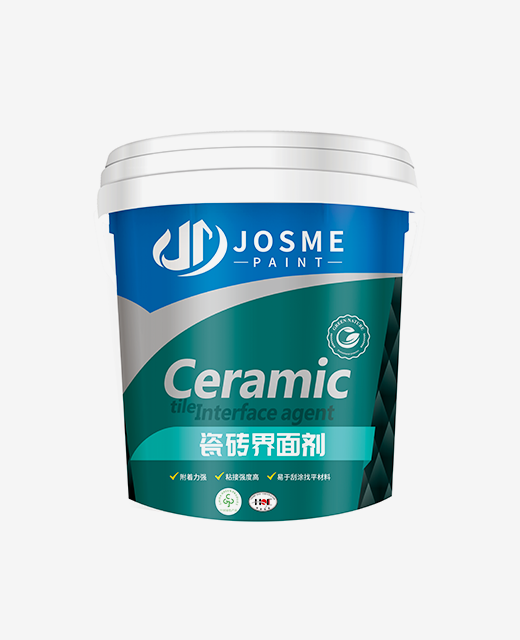
Tile Interface Agent for Exterior Wall Renovation — High-Adhesion Bonding Primer for Tile Surfaces
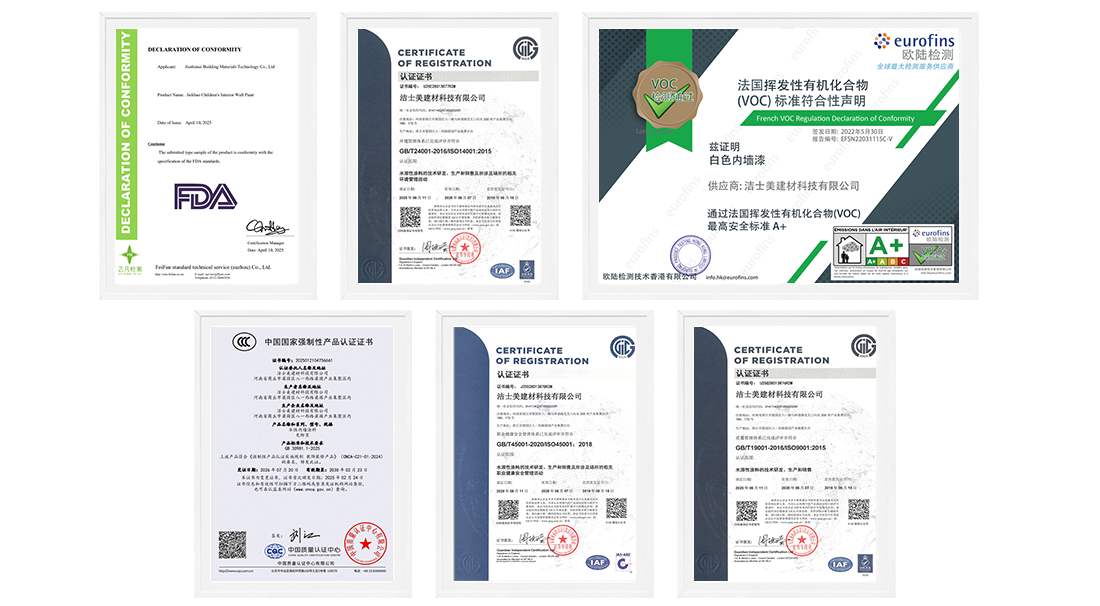
Tile Interface Agent developed by JOSME adopts high-molecular polymer and inorganic gel raw materials, matched with silane coupling technology to form dual mechanical and chemical anchoring structures on smooth tile and mosaic surfaces. It builds stable transition bonding layers between old substrates and new finishing coatings, supporting wall renovation construction without tile removal. The recommended application dosage is 0.3–0.5 kg/㎡ with simple direct brushing operation. JOSME holds ISO 9001, ISO 14001 and China Green Product Certification, implementing stable batch production quality control and standardized environmental production procedures.
What Is a Tile Interface Agent?
Also known as bonding bridge or interface treatment agent, Tile Interface Agent is a polymer-modified dispersion material for adhesion adjustment of low-porosity smooth substrates.
Traditional exterior glazed tiles feature dense and smooth surfaces, which cannot form effective bonding with conventional coatings and mortar leveling layers. This product optimizes substrate surface conditions by increasing surface roughness and interfacial bonding energy. It penetrates tiny pores on tile surfaces to form dual anchoring structures, enabling full and effective fitting and bonding for subsequent coatings, mortar and leveling materials.
Product Specifications
| Parameter |
Value |
| Main Materials |
High molecular polymer, inorganic gel |
| Technology |
Silane coupling (chemical anchoring) |
| Recommended Consumption |
0.3–0.5 kg/㎡ |
| Application Method |
Direct brushing |
| Solid Content |
30–50% (typical) |
| VOC |
Low-VOC formulation |
| Substrate Moisture Requirement |
Surface-dry, moisture <8% |
| Cure Time Before Next Layer |
2–4 hours (depending on ventilation) |
| Storage Temperature |
5°C to 35°C |
| Storage Conditions |
Cool, dry place |
Key Performance Features
Stable Bonding Strength Supported by silane coupling technology, the product forms chemical bonding with tile surfaces, instead of relying solely on mechanical contact. In accordance with JC/T 907 standard, its dry tensile adhesion strength reaches ≥1.5 MPa, meeting the vertical load-bearing demands of exterior wall construction.
Water and Alkali Resistance After 7-day water immersion test per JC/T 907 standard, the product retains over 80% of its bonding strength. It adapts to high-pH environments of fresh Portland cement (pH 12–14) and maintains stable performance in long-term cement-based system use.
Simple On-Site Construction The product can be directly brushed after basic substrate cleaning, with no professional equipment required. It eliminates the need for large-area tile demolition, reduces on-site construction workload and shortens project cycles.
Where This Product Is Used
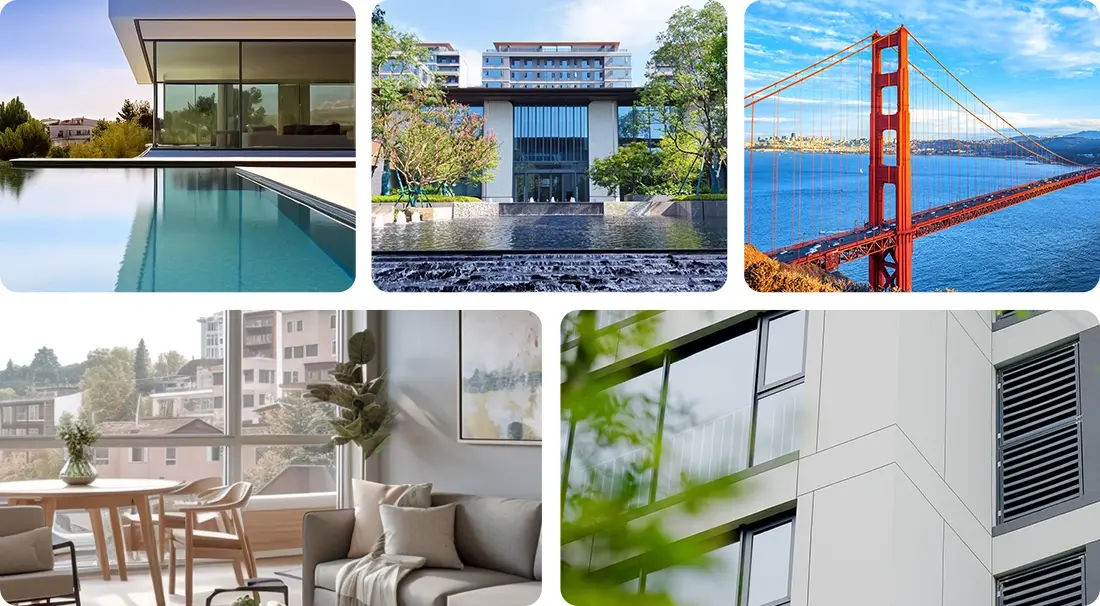
Exterior Wall Tile Renovation Applicable for old glazed ceramic tile facade renovation. After surface cleaning, brushing this interface agent forms a stable transition layer to support long-term adhesion of exterior coatings and leveling mortar without tile removal.
Floor Tile Renovation Suitable for smooth floor tile renovation in residential and commercial spaces. The formed bonding layer matches the stress of leveling materials and lowers cracking risks caused by surface tension mismatch.
High-Rise External Wall Systems It provides stable interfacial adhesion for tile cladding on dense concrete shear walls, adapting to wind load and thermal cycling changes of high-rise exterior walls to stabilize tile laying systems.
Underfloor Heating Substrate Pre-treatment For residential underfloor heating projects, it stabilizes screed layers and slows moisture loss of leveling materials, reducing cracking probability caused by repeated thermal deformation.
Quality Control
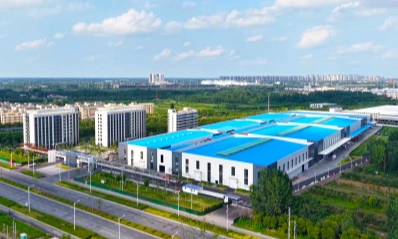
JOSME implements three-stage quality management for all production batches, covering raw material inspection, in-process monitoring and finished product testing.
Raw material inspection verifies polymer grade and inorganic gel consistency before production. In-process monitoring tracks real-time solid content, viscosity and film-forming stability. Finished product tests include ISO 13007-standard pull-off adhesion test, drying time stability test under 50–70% RH environment, micro-crack bridging film flexibility test (<0.5 mm) and freeze-thaw resistance detection.
Each batch retains samples for repeated order consistency verification of color, particle size and bonding performance. The Tile Interface Agent also passes cement mortar compatibility test to avoid delayed ettringite formation and other abnormal conditions.
Application Guidelines
Substrate treatment directly affects the final construction effect of interface layers, and standardized operation is required on site:
Thoroughly clean the substrate to remove surface dust, oil stains, weathered coatings and loose particles, as surface contamination will hinder complete film formation.
Control substrate moisture to ensure surface drying with moisture content below 8% before construction.
Adopt uniform single-coat brushing for most conventional renovation scenarios.
Reserve 2–4 hours of curing time for subsequent construction. The surface should be slightly tacky without residual adhesion when touched by fingers.
Match with professional water-based architectural coatings and leveling materials for exterior wall renovation to ensure overall system compatibility.
Packaging and Customization
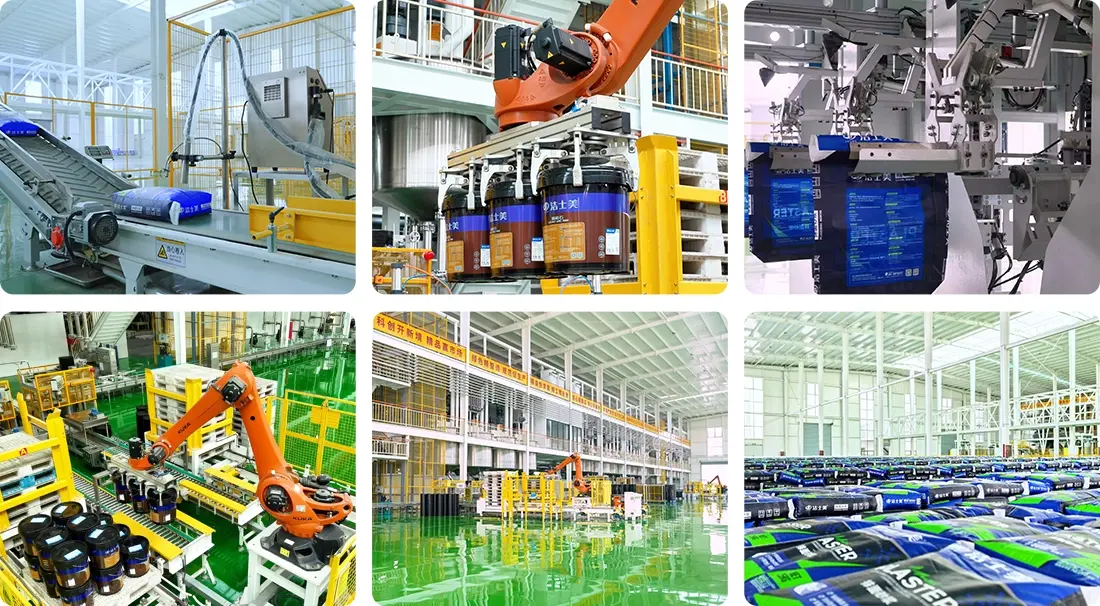
All products adopt export-grade reinforced packaging, which resists leakage and structural damage during long-distance sea freight and cross-border transportation.
We provide customized formula adjustment, private-label processing and sample matching services for B2B project customers. Standard orders are delivered within 2–3 working days, and customized orders take 7–15 working days for production.
FAQ
Q1: Is tile removal required for exterior wall tile renovation?
A1: No. This interface agent is designed for old tile and mosaic substrate renovation. After professional surface cleaning, direct brushing can form an effective transition bonding layer to support subsequent coating construction without demolition work.
Q2: Can exterior paint be applied directly after the interface agent cures?
A2: Yes. The cured interface layer is compatible with conventional water-based exterior architectural coatings, solving the problem of poor paint adhesion on smooth tile surfaces.
Q3: Can the product be constructed on dusty or oily tile surfaces?
A3: No. Dust, oil stains and aging residues must be completely removed before construction. Clean substrates ensure continuous film formation and stable long-term bonding performance.
Q4: What is the qualified substrate moisture standard before construction?
A4: The substrate must be surface-dry with moisture content controlled below 8%. Excess surface moisture will affect polymer film formation and reduce bonding effect.
Contact Us
For technical consultation, sample application, bulk procurement and customized formula demands of Tile Interface Agent, please get in touch with our team via [email protected].