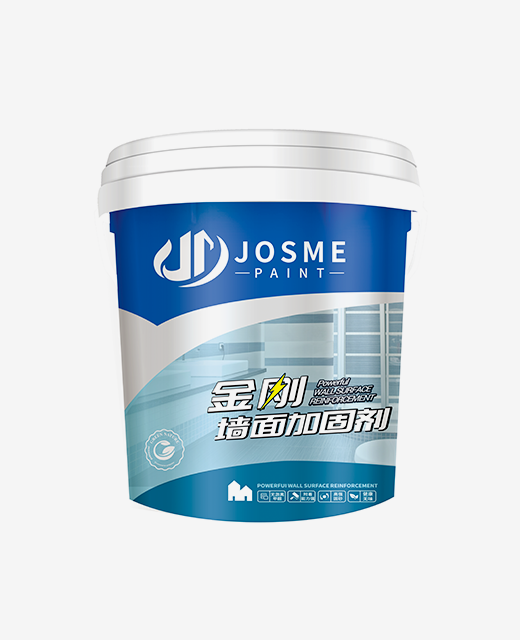
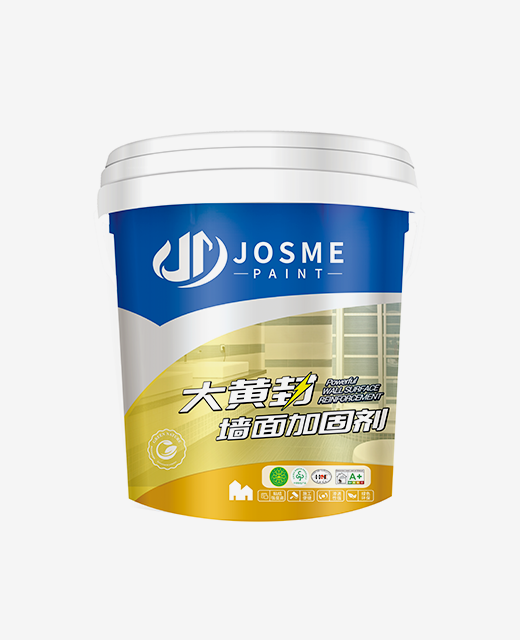
Polymer Cement Waterproofing Two-Component Slurry
Polymer cement waterproofing — a two-component slurry that combines inorganic silicate cementitious material, natural mineral aggregate, and polymer emulsion — addresses a structural limitation shared by both rigid mortars and traditional flexible coatings. Rigid mortars crack under thermal movement; flexible coatings often fail to bond to damp substrates. This hybrid system delivers cementitious adhesion and polymer flexibility in a single application. It suits kitchens, bathrooms, basements, swimming pools, drinking water pools, and old house renovation. Recommended application rate: 2.0–2.2 kg/㎡.
What Is This Product?
Polymer cement waterproofing — also referred to in the industry as JS waterproofing coating — is a liquid-applied, two-component membrane. The liquid component is a polymer emulsion (acrylic, EVA, or SBR type); the powder component contains Portland cement, graded silica sand, and active additives.
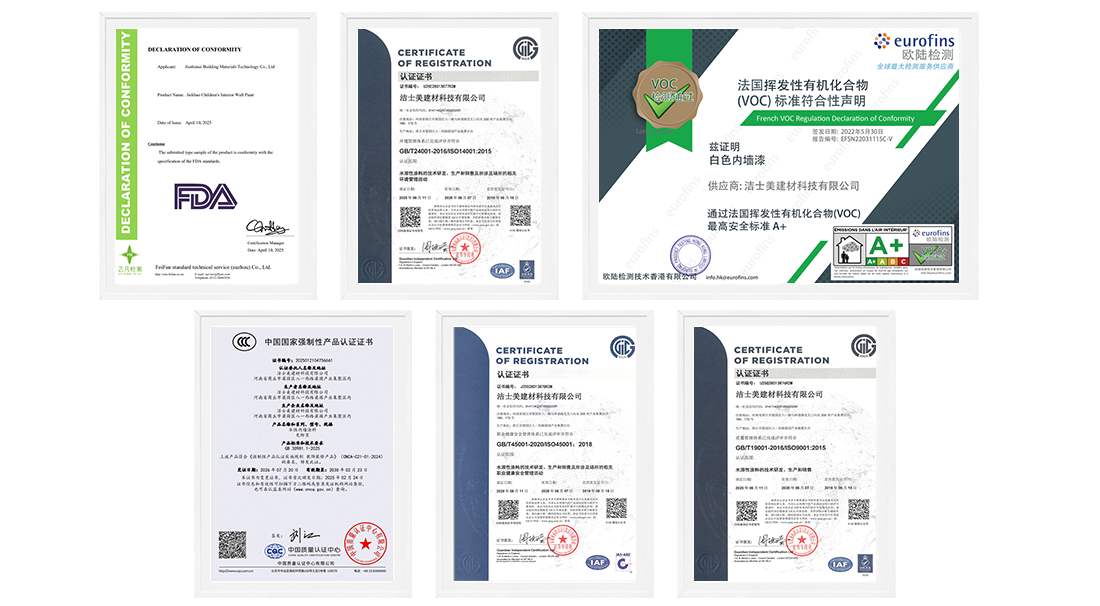
The cured film is non-toxic, water-based, and low-VOC, making it suitable for occupied spaces and potable water environments where chemical leaching must be controlled.
Technical Parameters
| Parameter |
Value / Requirement |
| Recommended Consumption |
2.0–2.2 kg/㎡ |
| Liquid-to-Powder Ratio |
1 : 2.77 |
| Tensile Strength |
≥1.2 MPa (Type I) / ≥1.8 MPa (Type II) |
| Elongation at Break |
80%–200%+ |
| Impermeability |
≥0.3 MPa hydrostatic pressure / 30 min |
| Adhesion on Damp Surface |
≥0.5 MPa |
| Storage Temperature |
5°C to 35°C |
| Storage Conditions |
Cool and dry place |
| Application Method |
Brush / Roller |
| Tiling Wait Time |
48–72 hours after application |
Key Polymer Cement Waterproofing Advantages
Double-Sided Waterproof Performance The coating works for both positive water-facing and negative water-backing surfaces. It maintains complete barrier performance without delamination under water pressure from different directions, adapting to diverse structural waterproofing scenarios.
Long-Term Immersion Resistance After full curing, the coating structure stays stable under continuous water immersion without chalking or dissolution. For long-term submerged facilities such as swimming pools and domestic water tanks, an additional protective layer can be applied on the waterproof film to slow down carbonization caused by direct water contact.
Stable Bonding on Damp Substrates It achieves adhesion strength above 0.5 MPa on damp concrete surfaces, solving the construction difficulty of incomplete substrate drying on site. It can also bond normally on slightly sanded and powdery surfaces, suitable for various old building renovation works.
Direct Tiling After Curing 48 to 72 hours after construction and curing, tiles can be directly laid on the waterproof layer. The matte textured surface provides effective mechanical bonding points for tile adhesive, no extra surface treatment is required.
Low-VOC and Safe Application The water-based formula supports construction in occupied buildings with no harmful volatiles released. It meets safety standards for waterproofing of domestic water storage facilities.
Application Scenarios
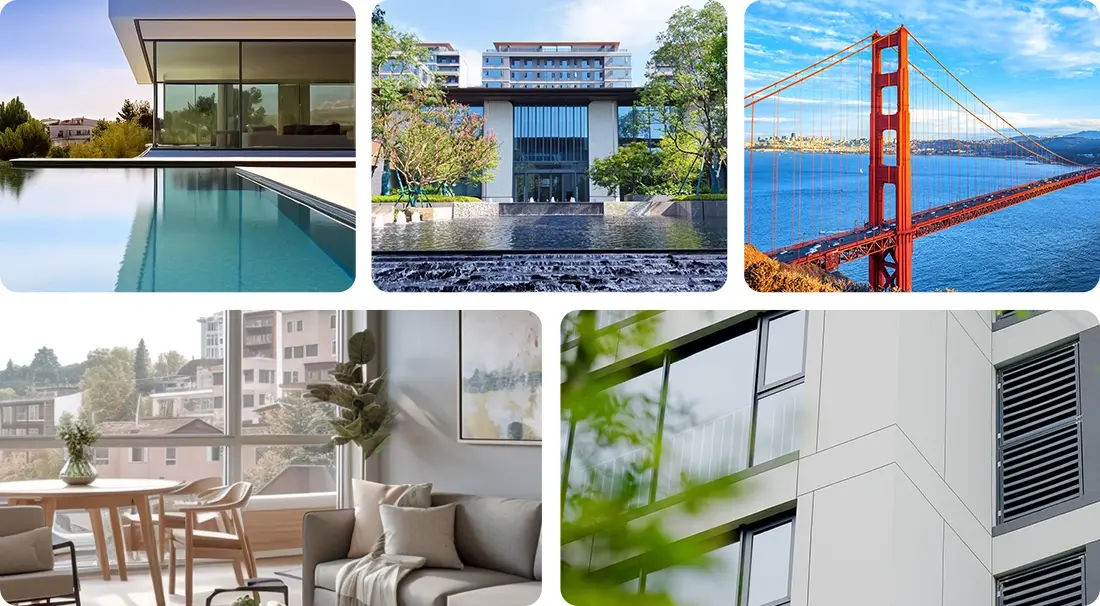
Residential Spaces — Waterproofing treatment for kitchens, bathrooms, balconies and internal & external building walls
Below-Grade Structures — Adapt to basements, underground garages and tunnels bearing underground hydrostatic pressure
Water Storage Facilities — Suitable for swimming pools, domestic water pools, irrigation tanks and flower planting tanks
Renovation Projects — Ideal for damp substrates and wall surfaces that cannot be fully dried before waterproofing construction
For basement and underground projects, this coating can effectively avoid water channeling between the waterproof layer and concrete, which is a common construction defect of traditional coiled materials under long-term hydrostatic pressure.
Application Notes
On-site construction performance is affected by five core factors:
Liquid-powder ratio — Strictly follow the 1:2.77 weight ratio to ensure cured film performance meets standard requirements.
Substrate treatment — Pre-dampen concrete to SSD (saturated surface dry) state before construction to reduce substrate deflation and avoid pinhole defects.
Ambient humidity — High humidity environment may cause surface rapid drying and internal stress, affecting overall film forming effect.
Water addition control — A small amount of water dilution (within 5%) is allowed under special conditions, while excessive water will damage the polymer-cement structure and reduce tensile strength and waterproof performance.
Tiling interval — Reserve 48–72 hours of curing time, and test residual surface moisture before tiling construction.
Packaging & Delivery
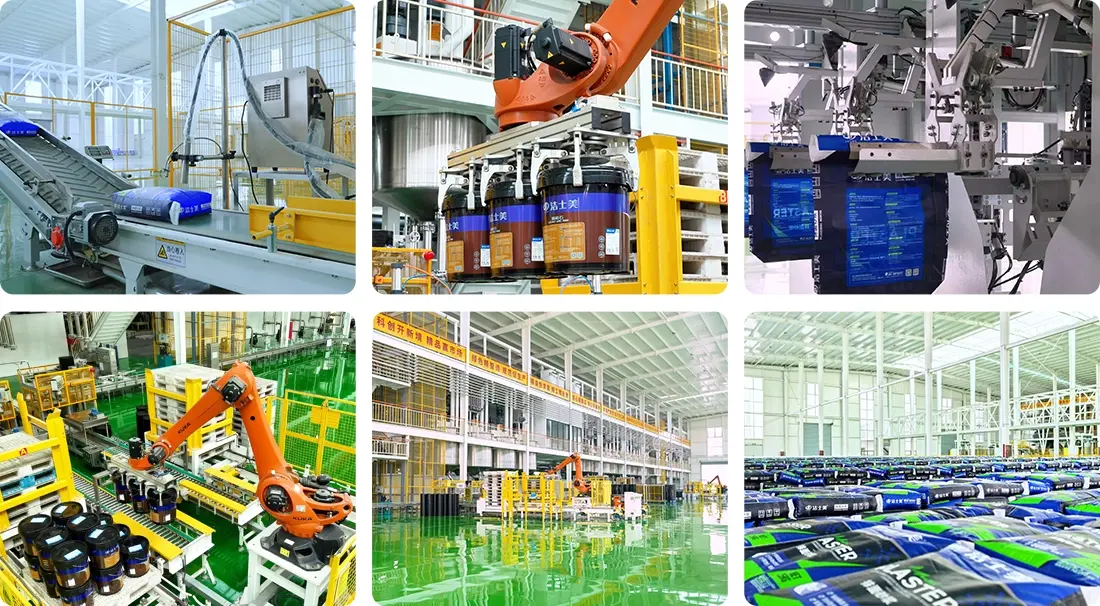
All products adopt export-grade reinforced packaging, adapting to long-distance ocean freight transportation to avoid damage and leakage.
Standard in-stock Polymer Cement Waterproofing can be delivered within 2–3 working days. Custom formula and private-label orders take 7–15 working days for production. We provide sea, air and land freight solutions with complete customs clearance documents for cross-border orders.
Customization
JOSME provides targeted customized services for engineering and bulk procurement demands:
Custom formula development (Type I flexible / Type II balanced / Type III high-strength) Private-label processing and customized packaging specifications Product sample matching service Professional construction technical document support
FAQ
Q1: What is double-sided waterproofing and where is it applicable?
A1: It means the coating can resist water pressure from both water-facing and water-backing sides. For underground structures like basements, positive-side waterproofing offers longer service life. Using mismatched materials on negative sides easily leads to early failure and repeated repair costs.
Q2: Can this product be used for swimming pools and drinking water pools?
A2: Yes. The cured coating maintains stable water pressure resistance. For long-term immersion scenarios, a protective layer is recommended to prevent film carbonization. The non-toxic formula complies with usage requirements for potable water environments.
Q3: Why is it suitable for old house renovation?
A3: It can bond stably on damp and slightly powdery old walls, solving the problem of difficult full drying of old building substrates. It supports construction in occupied spaces and allows direct tiling after curing, simplifying renovation procedures.
Q4: What causes pinholes during construction?
A4: Pinholes are mainly caused by gas overflow from porous substrates. Pre-dampen the substrate to SSD state or seal surface pores with primer in advance to avoid such defects.
Q5: Is water dilution allowed during construction?
A5: Slight dilution within 5% is acceptable for construction adjustment. Excessive water will destroy the internal structural ratio, resulting in decreased tensile strength and poor waterproof effect.
Q6: How long should I wait to tile after waterproofing construction?
A6: The conventional interval is 48–72 hours, adjusted according to on-site ventilation and humidity. Moisture test is required before tiling to ensure qualified bonding conditions.
Contact Us
If you have project technical consultation, sample application and bulk procurement demands for Polymer Cement Waterproofing Two-Component Slurry, please contact our professional team via [email protected].