Water-based Epoxy Zinc-rich Primer for Heavy-Duty Steel Structures
Water-based Epoxy Zinc-rich Primer developed by JOSME is a two-component anti-corrosion coating made of epoxy resin, water-based amine curing agent and ultrafine zinc powder. With VOC content below 50 g/L, the product adapts to confined construction spaces and avoids flammable risks of traditional solvent-based coatings. A single coating forms a dry film thickness of around 80 µm, with bonding pull-off strength ranging from 10 to 15 MPa. Matched with complete coating systems, its salt spray resistance can reach 1,000–3,000 hours. JOSME has focused on industrial coating production and manufacturing for 26 years.
How This Primer Works: Physical Barrier Plus Cathodic Protection
Conventional epoxy primers protect steel structures only through physical film shielding. This Water-based Epoxy Zinc-rich Primer adopts dual protection mechanisms combining physical barrier and cathodic protection.
The dry film contains 60–80% weight ratio of ultrafine zinc powder, complying with SSPC-Paint 20 Class 1 and Class 2 standards. Zinc powder undergoes electrochemical reaction with steel substrates. When corrosive media penetrate the coating layer, zinc powder oxidizes first, which effectively slow down the corrosion reaction of steel substrates.
The dual protection structure makes the product fit long-term anti-corrosion protection of steel structures in high-corrosion environments, with more stable protective effects than ordinary single-barrier epoxy primers.
Key Performance Characteristics
Non-Flammable Water-Based Formula Water replaces organic solvent as the dispersion medium, eliminating flammable and explosive hazards. It supports construction in enclosed spaces such as bridge box girders where solvent-based coatings are restricted.
Cathodic Anti-Corrosion Protection Active zinc powder consumes corrosive media preferentially, forming stable electrochemical protection for underlying steel substrates and reducing metal oxidation and corrosion risks.
Stable Substrate Adhesion When constructed on Sa 2.5 grade sandblasted steel surfaces, the pull-off bonding strength can reach 10–15 MPa in accordance with ASTM D4541 test standards.
Reliable Mechanical Properties The cured coating has stable hardness, abrasion resistance and scratch resistance, resisting daily mechanical friction and surface damage of steel structures.
Wide-Spectrum Chemical Resistance It adapts to environmental erosion caused by acid, alkali and salt substances, suitable for various harsh corrosive working conditions.
Long Salt Spray Resistance Matched with different intermediate and topcoat systems, the coating can achieve 1,000–3,000 hours of salt spray resistance as tested per ASTM B117 standard.
Good System Compatibility It serves as the base coat of multi-layer anti-corrosion systems, supporting matching use with epoxy intermediate coats, polyurethane topcoats and fluorocarbon topcoats to form a complete protective structure.
Technical Specifications
| Parameter |
Value / Standard |
| Product Type |
Two-component water-based epoxy zinc-rich primer |
| Zinc Dust Content (Dry Film) |
≥60–80% (SSPC-Paint 20 Class 1/2) |
| VOC Content |
<50 g/L |
| Dry Film Thickness |
~80 µm/coat |
| Application Viscosity |
25–40 sec (Ford Cup #4, 23±2°C) |
| Pot Life |
2–4 hours at 25°C |
| Hard Dry Time |
4–6 hours at 25°C |
| Adhesion (Pull-off Strength) |
10–15 MPa (ASTM D4541) |
| Salt Spray Resistance |
1,000–3,000 hours (ASTM B117) |
| Surface Preparation Grade |
Sa 2.5 (ISO 8501-1) or ST3 |
| Substrate Roughness |
30–70 µm |
| Airless Spray Water Addition |
10–15% |
| Air Spray Water Addition |
15–20% |
| Standard Compliance |
ISO 12944-5 C5-M/I, HG/T 3668 |
Typical Application Environments
This primer is applicable to steel structure facilities under heavy corrosion and high-risk working conditions, covering multiple industrial scenarios:
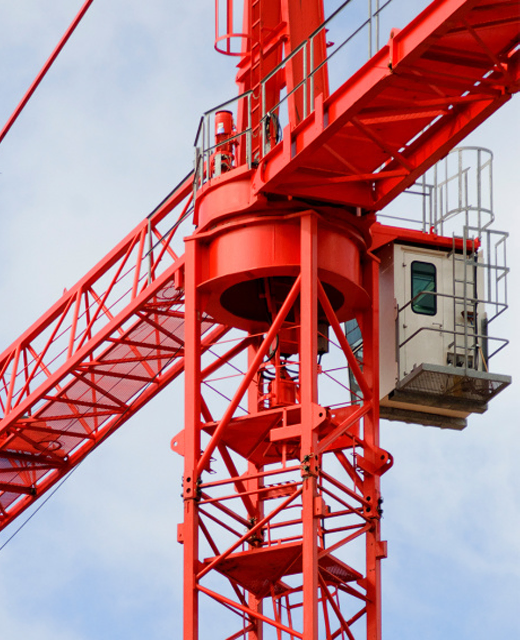
Marine and Offshore Facilities — Offshore platforms, wind tower bases, port facilities and ship repair structures that bear long-term salt spray erosion and mechanical abrasion.
Petrochemical and Energy Industry — External anti-corrosion of storage tanks and pipeline equipment in refineries, suitable for explosion-proof sites where solvent-based coatings are prohibited.
Bridges and Civil Infrastructure — Large steel bridge components that require long-term service life, providing stable basic anti-corrosion protection for multi-layer coating systems.
Containers and Transportation Equipment — Shipping containers, port handling equipment and heavy transport vehicles exposed to salt spray, ultraviolet rays and chemical media.

Water-based Epoxy Zinc-rich Primer Application
Substrate treatment and standardized construction directly determine coating adhesion and long-term anti-corrosion stability. The specific operation specifications are as follows:
Completely remove oil stains, rust and oxide scales on steel surfaces before construction. Conduct sandblasting to Sa 2.5 grade with surface roughness controlled at 30–70 µm; adopt ST3 manual grinding treatment if sandblasting conditions are unavailable.
Complete primer construction within 4 hours after surface treatment to prevent flash rust on steel substrates. Fully mix the two components evenly before use, and start construction after standing for induction period as specified in the product data sheet.
The product supports airless spray and air spray construction. Add 10–15% clean water for airless spray dilution and 15–20% for air spray dilution.
Do not construct when ambient relative humidity exceeds 85%, which will slow down water volatilization and cause film defects and reduced anti-corrosion performance. The substrate temperature shall be at least 3°C higher than the dew point to avoid moisture-induced bonding and curing problems.
The coating can be naturally air-dried or low-temperature baked, reaching hard dry state in 4–6 hours at 25°C. All mixed materials shall be used within 2–4 hours pot life at 25°C. Gelled and expired materials are not allowed for construction to avoid poor film forming and gas precipitation problems.
Quality Verification
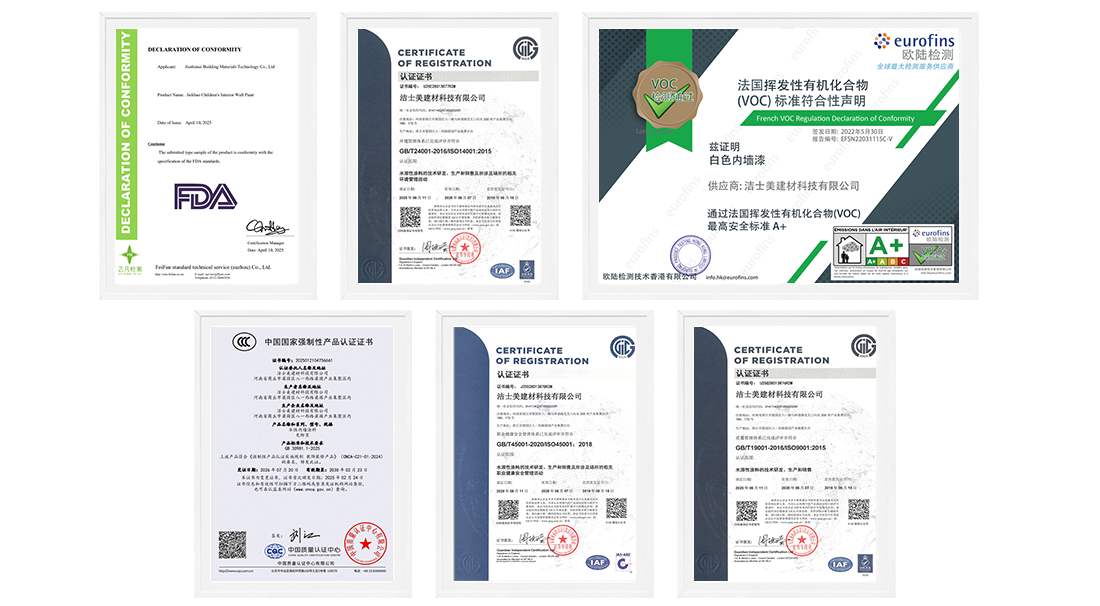
All production batches will pass strict performance tests before delivery to ensure stable Water-based Epoxy Zinc-rich Primer quality:
Zinc Content Detection — Furnace residue test is used to verify the zinc powder content in dry film, ensuring the electrochemical cathodic protection effect of the coating.
Adhesion Test — Conduct pull-off test in accordance with ASTM D4541 standard to confirm the bonding strength reaches 10–15 MPa specification.
Environmental Resistance Test — Complete ASTM B117 salt spray test and cyclic aging test including dry-wet alternation and temperature change to simulate actual service environment performance.
Batch sample retention is implemented for each production run to compare and control the stability of zinc content, particle size and coating performance of different batches.
Customization and Supply Options
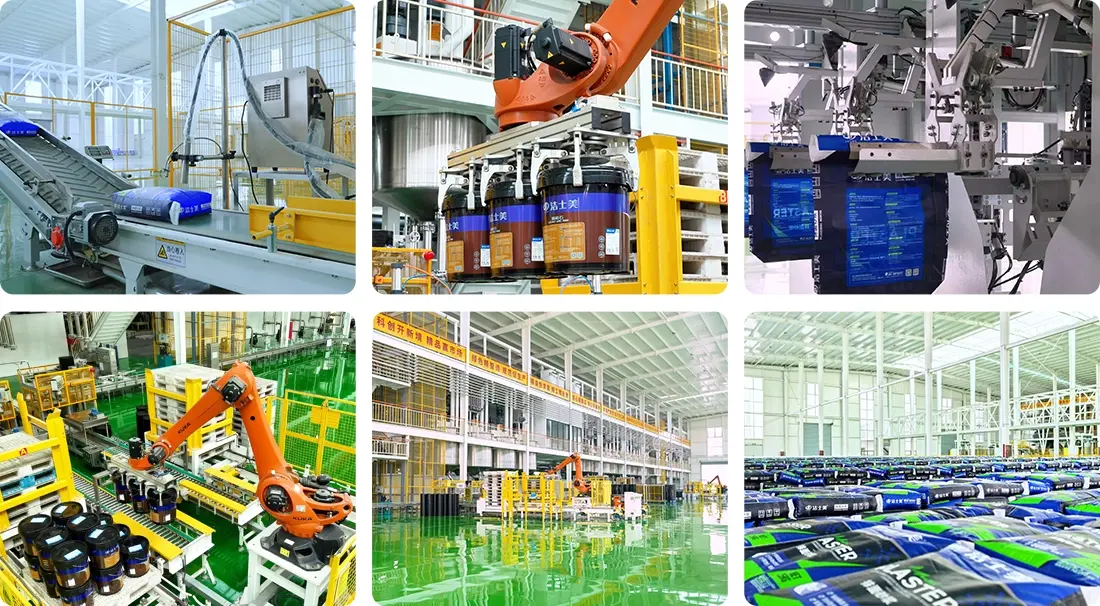
We provide flexible customized services to meet differentiated project needs, including targeted formula adjustment for specific corrosion grades and substrates, private-label packaging and customized packaging specifications for large-scale projects.
Standard products can be delivered within 2–3 working days. Custom formula, color matching and private-label orders take 7–15 working days for production. Our team replies to customer inquiries within 1–2 working hours on working days.
Frequently Asked Questions
Q1: What is the difference between this product and ordinary epoxy primers?
A1: Ordinary epoxy primers only rely on physical film barriers for protection. This water-based zinc-rich primer contains high-content zinc powder, which provides dual protection of physical shielding and cathodic electrochemical protection, delivering better anti-corrosion performance in harsh environments.
Q2: What working conditions is this primer suitable for?
A2: It is widely used for anti-corrosion protection of steel structures in marine offshore, petrochemical, bridge infrastructure, container and transportation industries, adapting to high-salt spray, acid-base and high-risk explosion-proof environments.
Q3: Why is it used as the base coat of multi-layer anti-corrosion systems?
A3: It has strong substrate adhesion and independent cathodic protection ability, and can form stable interlayer bonding with intermediate coats and various topcoats. It avoids interlayer peeling and delamination, ensuring the overall stability of the multi-layer coating system.
Q4: Why is surface pretreatment critical for this product?
A4: Water-based coatings have high surface tension and are sensitive to substrate cleanliness and roughness. Up-to-standard Sa 2.5 sandblasting or ST3 grinding treatment ensures effective mechanical bonding and complete wetting, preventing early peeling and failure of the coating.
Q5: Can construction be carried out in humid environments?
A5: Construction is not allowed when relative humidity exceeds 85%. High humidity will lead to incomplete curing, pinholes and reduced salt spray resistance. Meanwhile, the substrate temperature must be 3°C above the dew point during operation.
Q6: What are the storage and mixing usage requirements?
A6: The single component has a 12-month shelf life in dry storage environments. After two-component mixing, the pot life is 2–4 hours at 25°C. Expired and gelled mixed materials shall be discarded and cannot be reused.
Contact Us
For technical parameter consultation, project scheme matching, sample application and bulk procurement of Water-based Epoxy Zinc-rich Primer, please contact our professional customer service team via [email protected].